


STOP DESTRUCTIVE
WASTE TO ENERGY (WTE) PROJECTS
Waste-to-Energy (WTE) is often promoted as a solution to waste and energy challenges in Bangladesh, but incineration-based projects carry serious risks, including air pollution, toxic ash, and higher greenhouse gas emissions. It can also undermine recycling by relying on a steady waste supply. The North Dhaka 42.5 MW Waste-to-Energy (WTE) project highlights these concerns. Without strong safeguards, WTE may worsen environmental and public health impacts.
NORTH DHAKA 42.5 WTE PROJECT
The North Dhaka 42.5 MW Waste-to-Energy (WTE) project was introduced in late 2021 as a joint initiative between the Dhaka North City Corporation (DNCC) and China Machinery Engineering Corporation (CMEC). Promoted as a modern response to Dhaka's mounting waste challenges, the project has instead become a focal point of national debate due to concerns over transparency, cost, and environmental impact. From the outset, the project’s approval process raised red flags. It was sanctioned under the “Special Provisions Act 2010,” a legal pathway that enabled authorities to bypass competitive bidding and limit comprehensive environmental scrutiny. This approach drew immediate criticism from organizations such as CLEAN, BWGED, and other civil society groups, who argue that the project reflects a pattern of non-transparent decision-making in Bangladesh’s infrastructure development.
The financial structure of the project has been another major source of concern. The North Dhaka 42.5 MW WTE project is sponsored by WTE Power Plant North Dhaka Private Limited (WPNDL), 100% owned by the China Machinery Engineering Corporation (CMEC), which is further owned by China National Machinery Industry Corporation (Sinomach), a Chinese state-owned enterprise under the State-owned Assets Supervision and Administration Commission of the State Council (SASAC), which is directly administered by the Communist Party of China (CPC). According to the Project Summary Information (PSI), a total of USD 467 million will be required to install a 42.5 MW WTE Power Plant. It means, the installation cost of the power plant will be USD 10.99 million per MW, which is 11 times higher than solar power plant and triple of the nuclear power plant.
The North Dhaka 42.5 MW Waste-to-Energy (WTE) project continues to face serious environmental, social, and economic concerns despite the approval of its Environmental Impact Assessment (EIA). Experts and civil society groups warn that the project could increase air pollution, generate hazardous ash, and further threaten the already vulnerable Turag River ecosystem, while also failing to ensure meaningful public participation. Questions over the suitability of Dhaka’s high-moisture waste for efficient energy generation, combined with repeated delays from December 2024 to July 2026, further raise doubts about the construction, feasibility, project’s technical and financial viability. Critics argue that the project reflects a broader pattern of non-transparent and unsustainable infrastructure planning that risks undermining Bangladesh’s climate and public health commitments.
.jpg)
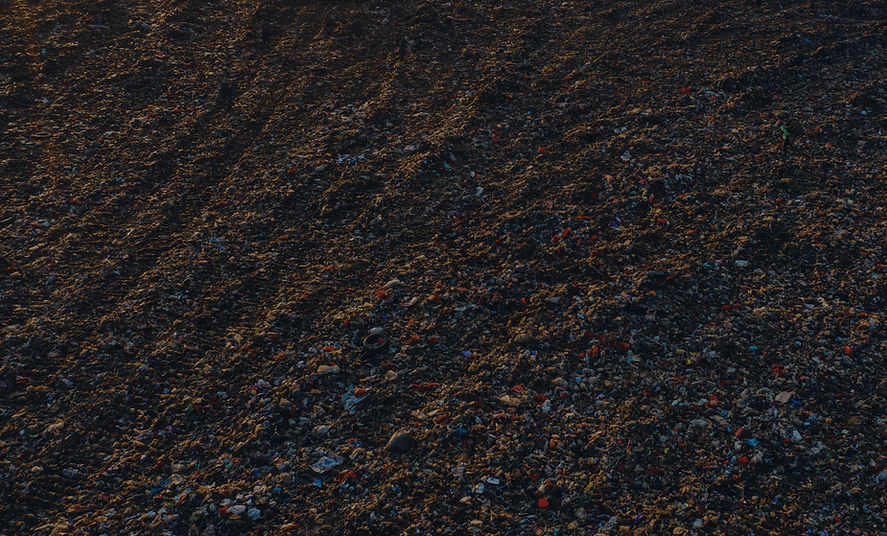
Photo: Waste Dumping Area, Amin Bazar

OPINIONS


Protest at the AIIB Annual Meeting 2025
CLEAN along with allied civil society organizations (CSOs), raised concerns before the Asian Infrastructure Investment Bank (AIIB) Board members, Executive Directors, senior management, and participating stakeholders during the AIIB Annual Meeting 2025 over the proposed North Dhaka 42.5 MW Waste-to-Energy project. Highlighted the project’s environmental, social, and economic risks and urged AIIB to prioritize transparent, community-centered, and sustainable renewable energy solutions. Read Summary

"This so-called Waste-to-Energy project is nothing but a carbon trap disguised as a solution. It burns our future, not our garbage. AIIB must stop financing false solutions that sacrifice people and the environment for profit."
- Hasan Mehedi, Chief Executive, CLEAN Bangladesh


.png)
BURNING JUSTICE
People’s Protest Against the North Dhaka 42.5 MW WTE Plant
The campaign against the Amin Bazar 42.5 MW Waste-to-Energy (WTE) plant reflects a broader challenge to so-called “false climate solutions” that fail to address the structural realities of urban waste management and energy justice. Framed as a modern technological response to Dhaka’s waste crisis, the project instead exposes critical flaws in design, feasibility, and environmental safety, particularly given the city’s high-moisture, low-calorific waste profile. This report highlights how the project risks locking the city into an expensive, carbon-intensive, and import-dependent energy pathway while generating significant public health and ecological burdens for surrounding communities. Grounded in evidence from local impacts and global energy transition debates, it calls for a decisive shift toward decentralized, low-carbon, and community-centered solutions that prioritize long-term sustainability over high-risk infrastructure investments.


**Please kindly provide proper credit before using any photographs. All rights reserved.